Your competitors are customizing their pet supply chain.
Are you?
✔ Impress your customers with tailored pet products

✔ Impress your customers with tailored pet products

Leave A Message — Our Sales Team Will Get Back To You Within 24 Hours With A Customized Offer.
Step-by-step guide to importing tofu cat litter from China - finding suppliers, samples, HS codes, shipping and quality control. Get a free sample today.
Importing tofu cat litter from China comes down to five steps: find and vet a supplier, confirm specifications, evaluate samples, manage production, and arrange shipping and customs. Done right, the full cycle — from first inquiry to goods in your warehouse — typically takes 6 to 12 weeks. This guide covers each step in detail, including HS codes, container economics, incoterms, and the five mistakes that catch first-time importers.
Demand for plant-based cat litter keeps rising across Europe, the Middle East, and North America as cat owners trade clay for lighter, lower-dust alternatives. For distributors and brand owners, tofu litter carries three commercial advantages: a sustainability story that retail chains actively ask for, retail-friendly weights (about half the weight of clay litter per litre, which cuts shipping and shelf-handling costs), and healthy private label margins.
If you are new to the category and want a quick primer on what tofu litter is and how it performs, our tofu cat litter buyer’s guide covers materials, granule sizes, and how to position the product in your market.
China is the world’s largest production base for pea-fibre (tofu) cat litter, with mature supply chains for the three raw materials that determine performance: plant fibre, starch, and guar gum. The result is competitive pricing at volume, automated packing lines, and export experience across most major markets. Plant-based litter is also produced in Japan, Korea, and Southeast Asia — Chinese factories remain the default choice for private label and bulk programs mainly because of capacity and cost.
Start with B2B marketplaces like Alibaba and Made-in-China, trade shows such as Interzoo and Pet Fair Asia, and Google — most established factories run their own English websites. A shortlist of 4–6 suppliers is a workable size.
Vet each supplier on four points:
If you are new to litter sourcing in general, it pays to study the category before comparing suppliers. Our tofu cat litter buyer’s guide walks through the materials and specs you should understand before committing to a vendor.
Before you ask for prices, lock your spec sheet. These are the variables that change both cost and end-customer experience:
| Specification | Typical options | Why it matters |
|---|---|---|
| Granule size | 1.5–3 mm standard; micro or crushed-top available | Dust level, tracking, clumping speed |
| Density | ~0.4 kg per litre (about half of clay) | Shipping cost per bag, shelf weight |
| Additives | Unscented / activated charcoal / green tea / lavender / peach | Retail differentiation |
| Clumping agent | Guar gum content (higher = firmer clumps) | Performance in humid climates |
| Packaging | 2.5–7 L retail bags / 10–20 kg bulk / custom print | Brand strategy, MOQ |
| Documents | MSDS, COA, ingredient list | Import compliance, retail listing |
One practical tip: if your market is humid (Southeast Asia, coastal Latin America), specify a higher guar content and moisture-proof inner liners at this stage — not after the first customer complaint.
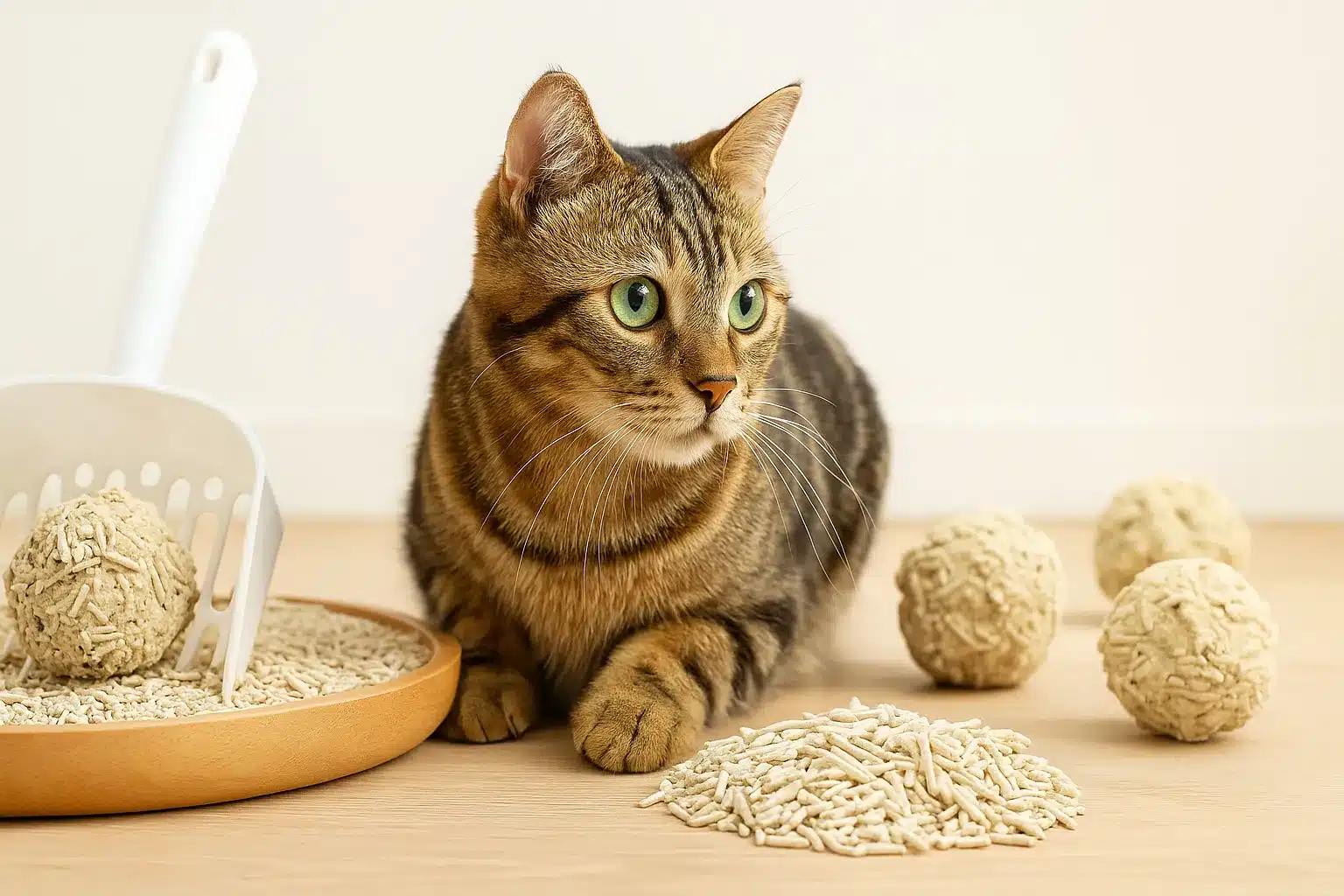
Request samples from the current production batch, not a hand-made “golden sample” — the difference between the two is the difference between your first container and the sample you approved. Run three tests:
While testing, also check scent consistency (for scented lines), colour uniformity between granules, and print quality if you are private labelling. When we send samples at isemipet, each bag leaves with a spec sheet listing moisture and clumping data for its batch — ask any supplier you evaluate to do the same, because a number you can verify beats a claim you cannot.
Mid-article CTA: Request a free sample of our tofu cat litter → — freight buyer-paid, 7–10 day delivery worldwide.
With specs and samples approved, move to commercial terms:
If you are building a brand rather than a wholesale program, ask your supplier about private label support — the right partner will help you with formula, packaging design, and market-specific positioning, not just print a logo on a bag.
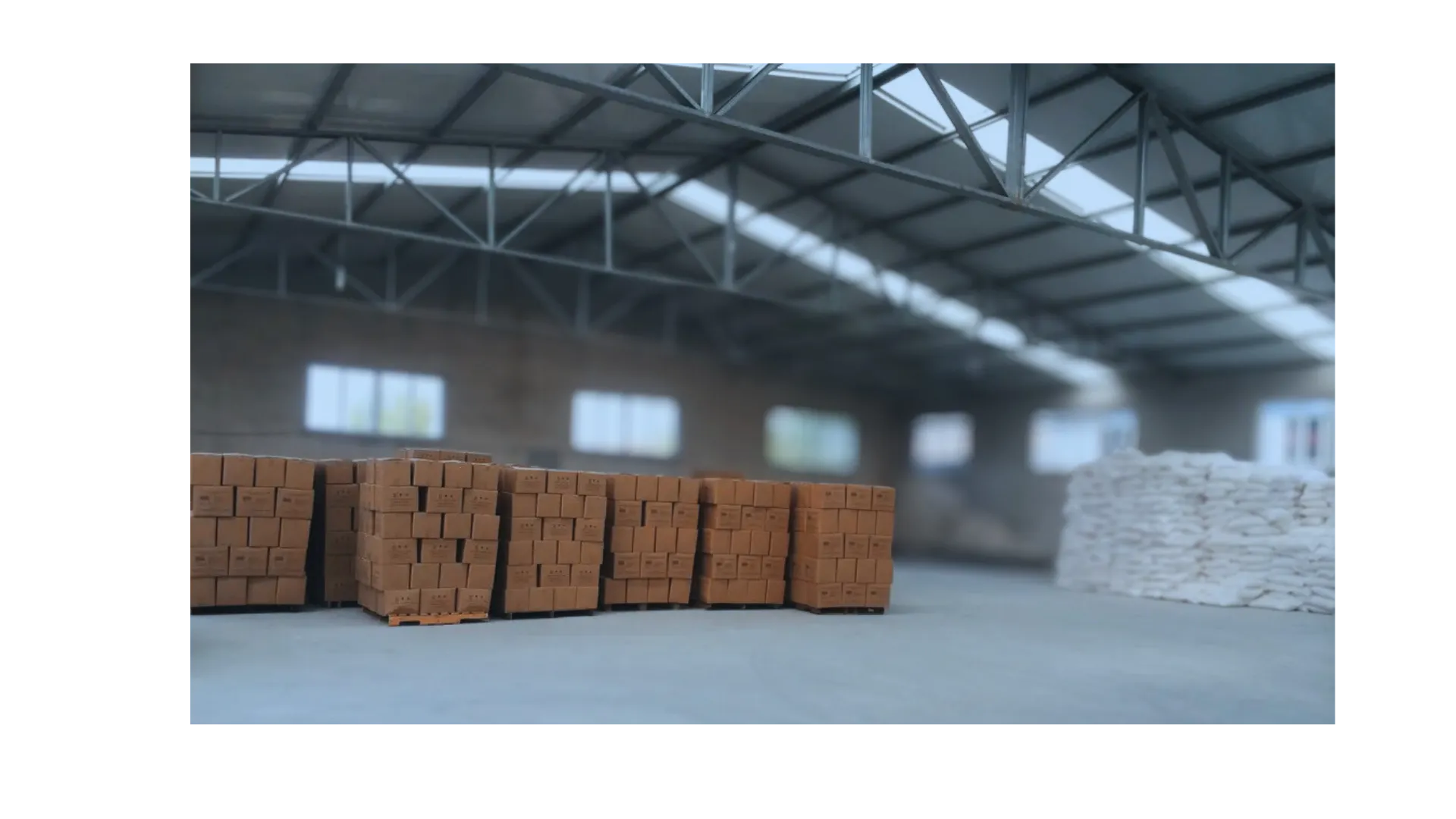
Four decisions define this stage.
Incoterms. FOB (you book the freight) is the common choice for importers with their own forwarder; CIF (the supplier books freight) suits first-timers who prefer one all-in price. Avoid EXW unless you have an agent in China.
HS code and duty. Plant-based tofu litter typically classifies under HS 1404.9090, bentonite litter under 2508.10 ( 3824.9999) , and silica gel litter under 3824.9999 Classification drives your duty rate — confirm with your forwarder before ordering, and make sure your supplier and customs broker file the same code.
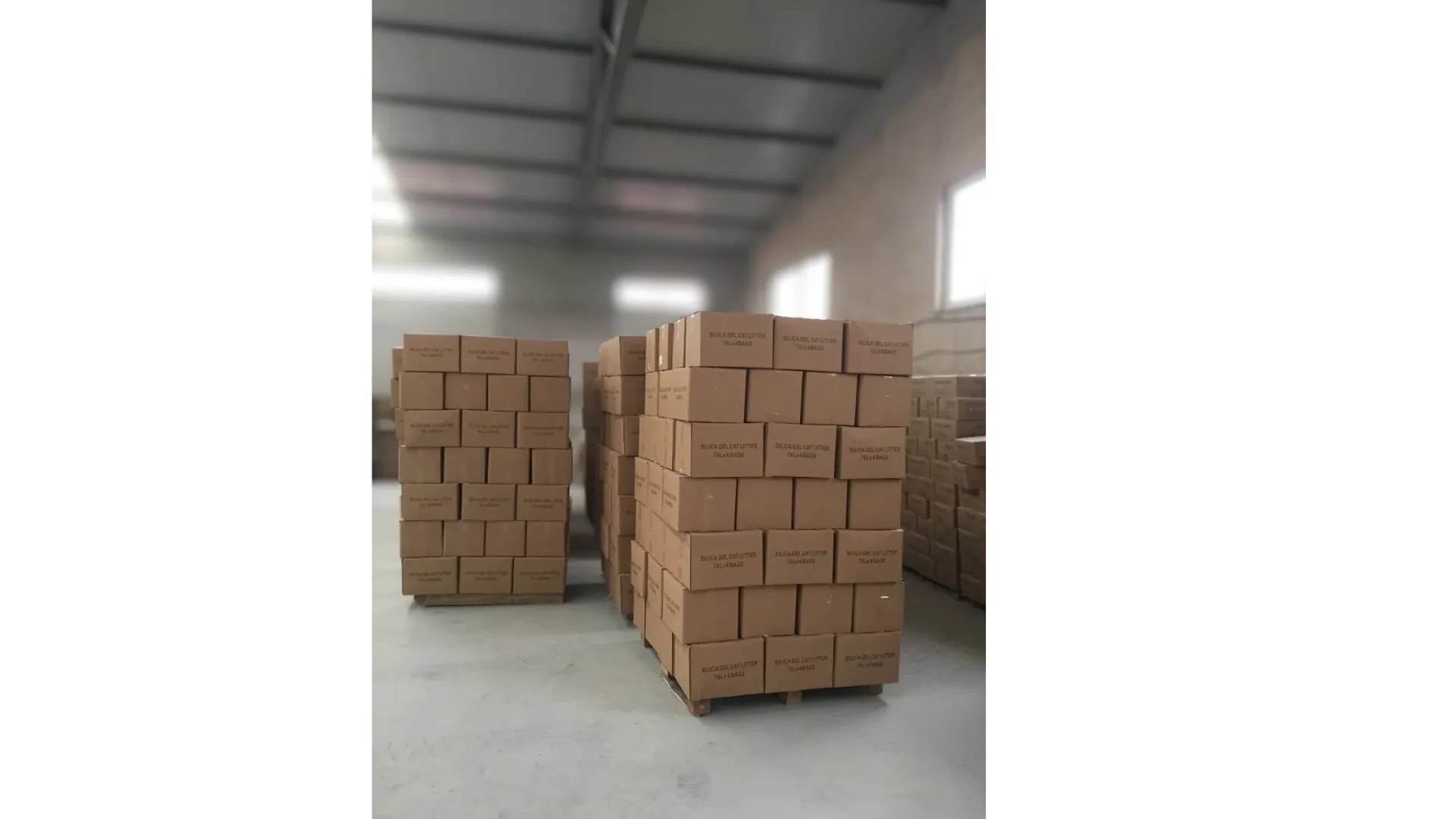
Container planning. A 20 ft container fits roughly 10–14 tonnes of bagged tofu litter depending on packaging; a 40 ft HQ roughly doubles that. Mixing litter types in one container is standard practice — many distributors start with tofu plus bentonite or silica to test a full range in a single shipment.
Documents. The standard set: commercial invoice, packing list, bill of lading, and certificate of origin (CO). MSDS and COA are supplied on request. If you import into the EU, budget for packaging compliance early — Germany’s LUCID registration, for example, is legally required before you place packaged goods on the market, and several other EU states run similar EPR schemes.
Clumping weakness in humid markets. Fix it at the spec stage: raise guar content and use moisture-proof liners.
Moisture out of range on arrival. Use container desiccants, palletised loading, and avoid stuffing containers during the rainiest weeks if your origin port has a monsoon season.
Packaging damage in transit. Specify carton quality, request a drop test on sample cartons, and palletise with edge protection.
No container space in peak season. Space tightens in Q3–Q4 ahead of Christmas retail. Book 3–4 weeks ahead or accept the risk of rolled cargo.
Communication gaps during production. Name one point of contact, agree on weekly photo or video updates, and confirm the pre-shipment inspection date in writing.
What is the minimum order quantity for tofu cat litter?
It varies by program. Stock-formula orders with standard packaging can start low for market testing; private label programs typically start at one 20 ft container. Many suppliers — including us — support small pilot orders so you can test your market before committing to volume.
How long does the whole import process take?
Typically 6–12 weeks from confirmed order to your warehouse: 15–30 days of production, 15–40 days of ocean transit depending on destination, plus customs clearance.
Can I mix tofu, bentonite, and silica litter in one container?
Yes — mixed containers are standard practice and an efficient way to test a full product range in a single shipment.
What certifications do I need to import cat litter?
Cat litter is not pet food, so no FDA-style product registration applies in most markets. You will need the standard trade documents (invoice, packing list, B/L, CO) plus MSDS and COA from your supplier. In the EU, packaging EPR registration is the main compliance item to plan for.
Can I get samples before ordering?
Yes. Reputable suppliers send samples with a spec sheet and charge little or nothing beyond freight. Always ask for samples from the current production batch, not hand-made golden samples.
How do I know a supplier is a factory, not a trading company?
Check the business licence scope, ask for a live video walkthrough of the production line, and cross-check export records. Trading companies are not automatically a problem — but factories give you better pricing at volume and tighter control over specifications.
What HS code does tofu cat litter classify under?
Plant-based tofu litter typically classifies under HS 1404.9990. Bentonite litter is 2508.10 (3824.9999) and silica gel litter is 3824.9999. Confirm with your forwarder before ordering — misclassification leads to duty disputes at the port of entry.
What incoterm should first-time importers use?
CIF is the safer choice for first-timers: the supplier books freight and you receive one all-in landed price. Once you have a forwarder relationship and understand the cost stack, switch to FOB to gain more control.
The process is easier than most first-time importers expect. Once your spec sheet, samples, and incoterms are locked in, a capable supplier handles most of the heavy lifting. The fastest way to start is a sample: see the clumping, feel the dust level, and judge the packaging quality yourself.
Request a free tofu cat litter sample → or get a quote from isemipet — flexible MOQs, private label support, and complete export documentation for brands and distributors worldwide.

