Your competitors are customizing their pet supply chain.
Are you?
✔ Impress your customers with tailored pet products

✔ Impress your customers with tailored pet products

Leave A Message — Our Sales Team Will Get Back To You Within 24 Hours With A Customized Offer.
As sustainability becomes a major trend in the pet care industry, biodegradable cat litter is gaining attention among eco-conscious brands and distributors. Made from renewable plant-based materials, it offers a greener alternative to traditional clay or silica gel litters.
But does biodegradable cat litter truly meet the performance expectations of premium pet product lines? And is it a profitable choice for wholesalers and retailers? This guide explains what biodegradable cat litter is, its advantages and disadvantages, and how to evaluate its potential for your brand.
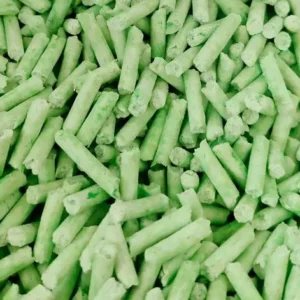
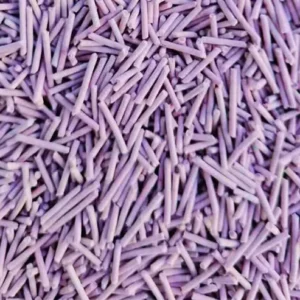
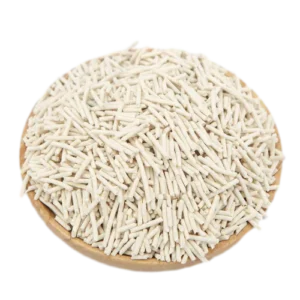
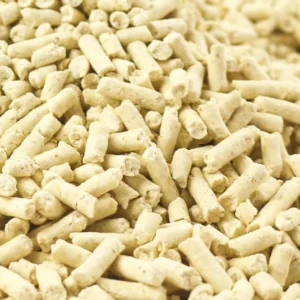
Biodegradable cat litter is made from renewable, plant-based materials that naturally decompose. Common raw materials include:
Unlike bentonite or silica gel, these ingredients break down naturally, reducing landfill waste and aligning with eco-friendly product trends.
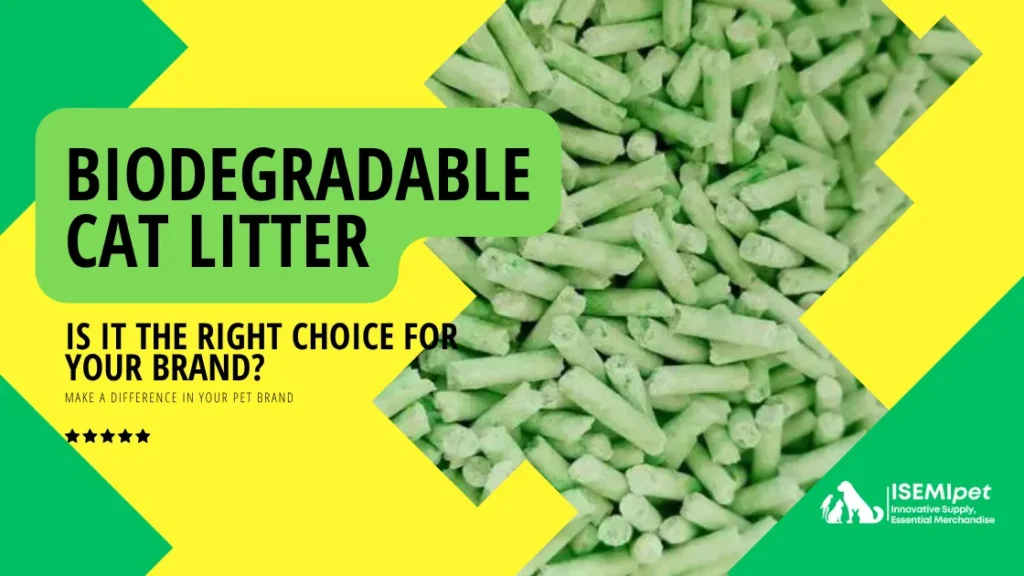
These materials make it possible to replace conventional sands without completely sacrificing performance.

Being plant-based, biodegradable cat litter can decompose faster and may even be composted (depending on local regulations), making it ideal for brands promoting sustainability.
Made from food-grade or natural materials, it’s safe even if cats accidentally ingest small amounts—particularly important for kittens and senior cats.
Many biodegradable formulas, such as tofu or corn litter, can be flushed in small quantities, offering convenience for apartment dwellers.
Eco-conscious consumers are willing to pay higher prices for sustainable products, making it a great addition to premium pet care lines.
Biodegradable cat litter can be customized with different scents (green tea, lavender) or additives like activated charcoal, providing differentiation for brands.

Compared to clay or silica, production and raw material costs are higher, which may affect wholesale pricing.
Being organic, some biodegradable litters may absorb moisture during storage, reducing shelf life if not properly packed.
Not all biodegradable cat litters clump or control odors as effectively as silica gel or premium bentonite. Quality depends heavily on formulation.
Lightweight but more fragile during transport; may require reinforced packaging to avoid damage.
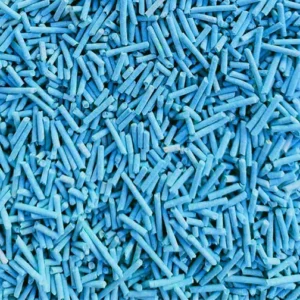
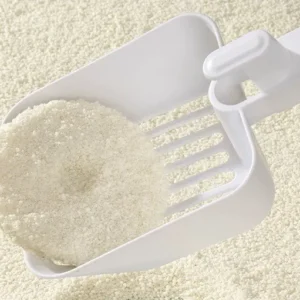
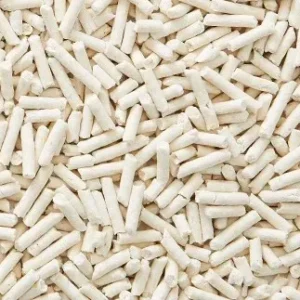
| Feature | Biodegradable Cat Litter | Bentonite Cat Litter |
|---|---|---|
| Material | Plant-based (tofu, corn, wheat, paper, wood) | Mineral clay (non-renewable) |
| Biodegradability | ✅ High – naturally decomposes, eco-friendly | ❌ None – not biodegradable |
| Odor Control | ⚠️ Moderate to good – varies by formula quality | ✅ Very high – strong ammonia odor locking |
| Clumping Performance | ⚠️ Varies by formula (tofu/corn = good; paper/wood = weaker) | ✅ Excellent – strong, consistent clumps |
| Price Per Kg | ⬆️ Higher – premium raw materials | ⬇️ More economical – mass-market availability |
| Environmental Impact | ✅ Low – sustainable sourcing, minimal extraction | ❌ High – intensive mining required |
| OEM / Private Label | ✅ Highly customizable – scents, shapes, eco-packaging | ✅ Stable supply, widely available globally |
| Cat Acceptance | ⚠️ Needs adaptation – some cats require transition period | ✅ High – widely accepted by cats worldwide |
For businesses targeting eco-conscious customers, biodegradable cat litter is a profitable niche product. It’s especially suitable for:
However, for cost-sensitive markets, silica gel or bentonite may still dominate due to lower prices and longer shelf life.
When sourcing biodegradable cat litter, evaluate:
Yes, it’s safe and non-toxic, but always monitor kittens to avoid over-ingestion.
Usually 2–4 weeks per cat, depending on the formula and brand.
Many tofu or corn-based litters are flushable, but always follow local regulations.
Premium tofu or corn-based litters provide good odor control, but some wood or paper-based options may need more frequent changes.
Yes, biodegradable cat litter is an excellent alternative if your brand or lifestyle values sustainability.
It offers real benefits in terms of eco-friendliness, convenience and business differentiation.
However, it requires a good choice of formula, consumer education and adjustment of expectations.
For many brands, it represents the logical step towards a more modern and responsible portfolio.
At ISEMIPET, we provide eco-friendly cat litter solutions tailored for international brands and distributors:
You can expand your product catalog with biodegradable cat litter while maintaining premium quality and a strong brand image.
ISEMIPET accompanies you in the development of sustainable formulas.
We offer full support in labeling, samples and eco-friendly packaging design.

